Do you imagine yourself living in a mansion? You can, as long as the price is right. So says this Forbes article which details information about American mansions that are currently for sale.
American opulence is still for sale. But it costs a pretty penny. Acquiring a finely-appointed home of extraordinary scale can run between $12.5 million and $100 million at the moment. For this, homeowners enjoy everything from fountain-studded courtyards to grand libraries and cavernous indoor pools.
Take, for example, The Peabody Estate (better known as “Solana”) in Santa Barbara, Calif. Listed for $57.5 million, the home built by clothing magnate Forrest Peabody is surrounded by nearly a dozen acres and includes almost 23,000 square feet of living space. There’s a private guesthouse on the property and better yet, the mansion has 360-degree views of both the mountains and the sea.
Not all of its views are natural, however. The home’s interior includes details such as 17th-century French oak paneling and museum-quality mosaic tiles. The wall sconces date to the 1700s, and hand-carved mahogany millwork as well as European forged bronze hardware gleam throughout. All this, and California sunshine as an added bonus.
Another fine example of mansion living is Hi’ilani, or “In the Arms of Heaven.” Located in Honolulu, Hawaii, the home was built for television producer, Al Malacini. According to Sachi Hawaii Pacific Century Properties, “1133 Ikena Circle is most fit to be called a present-day palace […] it’s beauty, splendor, and grandeur are marked by its perched location nestled among Ko’olau Mountains, overlooking Diamond Head and the Pacific.” All of this can be enjoyed from the home’s Upper Grand Terrace. The home features nearly 6,000 square feet of outdoor living space.
Hi’ilani was inspired by both 18th Century French architecture and Modern Mediterranean design. And it delivers perfection inside as well out. Lavish details, such the mansion’s French hand-embroidered draperies and its 9-½ foot Australian crystal chandelier, contribute to the prestige of the residence which is listed for $12.5 million.
For a more contemporary take on hyper-luxury real estate, there’s Arbor Hill in Fort Washington, Pa. The 70-acre estate includes a colossal 40,000-square-foot main house. From bathrooms to the tennis courts, every inch of Arbor Hill is extravagant. Designed by celebrated architect Rafael Vinoly, the home features floor-to-ceiling windows that look out to the Belgium block courtyard surrounding the main house. Its living room is two and a half stories high and includes five sets of French doors. Details such as limestone and oak flooring, carved marble bathtubs, and a private tower with panoramic views punctuate the beauty and meticulous design of this American palace.
In addition to the main house, the property includes two stone farmhouses, an outdoor tennis court, pool, and a 20,000 square foot recreation building.
Peter Vekselman is a real estate investor and entrepreneur. He has closed more than a thousand property deals over the course of his career. Follow this Twitter page for more information about real estate.
Tuesday, April 16, 2013

Tuesday, March 26, 2013
The construction business and how it survived the recession
Peter Vekselman and Linda Alvarado are the type of people who would rather go against the flow instead of going traditional or jumping straight into being an employee after graduating from college. There is nothing wrong with being an employee, but these people understand that there is a better future awaiting those who take it the long way and work on it assuredly. Not so long ago, they've already seen the potential of the construction business to remain steady and flourishing amidst the foreboding economic quandaries of their time. And they were right.
Of course, not all construction firms may have found the word “flourishing” appropriate to the several difficulties they experienced during the recession, but it is fair enough to say that most of them remained “steady” in the midst of the economic downturns that hit America.
And what did they do? They just simply prepared.
The construction business was not excluded from the upshots of recession, and as far as economic quandary is concerned, it is the industry that suffered the most at the time. But the real question is how industry players have managed to survive and, in fact, become the core of the most thriving commerce in the present.
Seasoned construction firm owners know that the industry they belong in would be the first one to suffer should there be any sort of economic quandary that would hit the country: When people lose money they will run out of trades and profession, and establishments and houses will no longer be relevant if that happens. On the other hand, they also know that when progress comes in, people would need new structures to house their new businesses.
Real estate investment coach Peter Vekselman has been involved in the contraction business for more than a decade. This website provides more details about his career.
 |
| Image source: buffingtonhomes.wordpress.com |
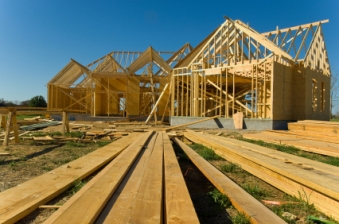
Of course, not all construction firms may have found the word “flourishing” appropriate to the several difficulties they experienced during the recession, but it is fair enough to say that most of them remained “steady” in the midst of the economic downturns that hit America.
And what did they do? They just simply prepared.
 |
| Image source: crystalcoastblog.com |

The construction business was not excluded from the upshots of recession, and as far as economic quandary is concerned, it is the industry that suffered the most at the time. But the real question is how industry players have managed to survive and, in fact, become the core of the most thriving commerce in the present.
 |
| Image source: bpcpa.com |

Seasoned construction firm owners know that the industry they belong in would be the first one to suffer should there be any sort of economic quandary that would hit the country: When people lose money they will run out of trades and profession, and establishments and houses will no longer be relevant if that happens. On the other hand, they also know that when progress comes in, people would need new structures to house their new businesses.
Real estate investment coach Peter Vekselman has been involved in the contraction business for more than a decade. This website provides more details about his career.
Tuesday, February 12, 2013
On online home search

Image source: compendiumblog.com

Many real estate experts believe that nothing beats seeing the prospect house in person, and they even tell potential home buyers to drive around the target area and visit every place that suits their taste. However, the advent of the Internet changed the real estate industry completely. Most people who seek properties forego the aforementioned methods and do what everyone does when searching for something: go straight to Google or Bing.
Putting everything on paper before consulting the search engines.
Search engines are too broad a search place that they can confuse users just by looking at all the search results. Sometimes searchers even forget what to look for and end up on websites that have nothing to do with their purpose. Listing the essential details on paper, such as type of house, specific area, zip code, and price range, prepares home buyers for the search, making them focused and concentrated.

Image source: arizonahomegroup.com

Going straight to real estate-focused search engines.
Google and Bing are useful search engines, but they give information that is too broad, which might prolong the search period. Trulia, Zillow, and other search websites of this type provide features that help searchers in speeding up the entire procedure, for they have filter options that aid users to narrow down their desired house’s specifics.
Asking the experts.
Online real estate websites give only the information the searchers want, but they don’t tell the users in-depth matters about the property in question, say, if it is a good buy, who owned it last, or if it has undergone a series of renovations before it was put up for sale. Asking experts on the Web, like Peter Vekselman, or visiting credible sites, like Expert Real Estate tips and Santa Cruz Experts, would help the searchers know more about the specifics of the property they desire to buy. Taking this step is important, for buying property per se is a very serious undertaking because it requires investing not only money, but also time and perseverance.

Image source: prlog.org

A real estate coach, Peter Vekselman imparts strategies and techniques about investing in properties. This website provides more information about him and his work.
Thursday, January 24, 2013
Words that sell: What you should put in home ads

Image source: cleaningproductsworld.com

How do you sell a home?
Seasoned realtors note that sellers need to be aware of the magic words that buyers are instantly drawn to, including “space” and “family,” and avoid using the phrase “must sell,” a big no-no in home ads.
Experts explain that buzzwords and the right phrasing in real estate listings can speed up a sale and can even boost the final offer. But they also caution that using too much buzzwords can make an ad sound dubious. What sellers should aim for is picking the right words to advertise a home.

Image source: tedwight.com
For example, buyers looking to buy million-dollar mansions respond best to terms that highlight the proximity of the home to good schools and the presence of high-end features. These include phrases such as “guest suite” and “floodlit.” As for entry-level homes, ads with phrases such as “first-home buyer” and “affordable” attract potential buyers.
How about words that can hurt a property’s chance of being sold?
Real estate experts note that words like “cute” and “charming” imply tiny rooms. This also goes for “cozy,” a seemingly harmless word but is actually a potentially dangerous term in a real estate listing. According to seasoned investors, “cozy” does not describe any physical characteristic, and is likely a signal of a very tight space.
With homebuyers constantly bombarded with all sorts of real estate marketing lingo, sellers need to be wise about crafting phrases to describe the true nature of their property.

Image source: frontdoor.com

Peter Vekselman works with people who want to be successful in real estate investing. Learn more about his work on this website.
Thursday, December 13, 2012
Next generation buyers: Young and savvy
The young is not so carefree after all.
A survey noted that working a second job and moving in with the parents are some of the ways that Generations X and Y are willing to do to save for a home. Results of the study conducted by Better Homes and Gardens Real Estate among 18 to 35 year old Americans revealed that the respondents have become increasingly knowledgeable about homeownership due to the increased media coverage brought about by the housing crisis. The survey also noted that the young is not deterred from buying a home and believes that owning one is a key indicator of success. Furthermore, these future homeowners are willing to do their research and save in ways that may surprise those who believe the values of Gen X and Y have strayed from those of their elders.
As it turns out, the Millennial Generation is not only optimistic about their employment opportunities, they are also knowledgeable, responsible, and savvy when it comes to real estate—characteristics that any property buyer or seller should embrace.
Every generation faces some economic hardships that define the way they see their financial future. The baby boomers faced an oil shortage crisis back in the 1970s. For Gen X and Y, it was the collapse of the housing sector more than five years ago. And the crisis led the Millennial Generation to believe that it takes a lot of planning and research to make a reliable home purchase.
Visit this website for more real estate investment tips from seasoned investor Peter Vekselman.
 |
| Image credit: thecalmspace.com |
A survey noted that working a second job and moving in with the parents are some of the ways that Generations X and Y are willing to do to save for a home. Results of the study conducted by Better Homes and Gardens Real Estate among 18 to 35 year old Americans revealed that the respondents have become increasingly knowledgeable about homeownership due to the increased media coverage brought about by the housing crisis. The survey also noted that the young is not deterred from buying a home and believes that owning one is a key indicator of success. Furthermore, these future homeowners are willing to do their research and save in ways that may surprise those who believe the values of Gen X and Y have strayed from those of their elders.
 |
| Image credit: onlinelearninginsights.wordpress.com |
As it turns out, the Millennial Generation is not only optimistic about their employment opportunities, they are also knowledgeable, responsible, and savvy when it comes to real estate—characteristics that any property buyer or seller should embrace.
Every generation faces some economic hardships that define the way they see their financial future. The baby boomers faced an oil shortage crisis back in the 1970s. For Gen X and Y, it was the collapse of the housing sector more than five years ago. And the crisis led the Millennial Generation to believe that it takes a lot of planning and research to make a reliable home purchase.
 |
| Image credit: houseforsaleinqueensny.com |
Visit this website for more real estate investment tips from seasoned investor Peter Vekselman.
Wednesday, November 21, 2012
Pitching the Highest Rents in L.A.
This article was published on November 15, 2012 by The Wall Street Journal.
Written by: Lauren Schuker Blum
Article source: online.WSJ.com
Rick Caruso, best known for shopping centers like the Grove, bets big on a luxury residential building

Rick Caruso, Southern California's retail king, is doubling down in a different arena: high-end residential real estate.
This week, the billionaire developer best known for his outdoor shopping centers is unveiling his first pure residential play, an 87-unit apartment building near Beverly Hills that he says cost $65 million. Named after its address, 8500 Burton Way features floor-to-ceiling windows and space-age curves, including a cloudlike oculus that appears to float over the building. It also features some of the priciest rents the city has ever seen. Units start around $4,500 a month; a 906-square-foot one-bedroom on the fourth floor goes for $5,200 a month, and a 1,300-square-foot two-bedroom on the seventh floor rents for $9,000. One fully-furnished penthouse designed by Waldo Fernandez has a monthly rent of $40,000.
Mr. Caruso says he's confident the rents makes 8500 Burton Way the "most expensive" rental building on the West Coast. He may be right: Many of the building's units rent around $8 a square foot, compared with about $2 a square foot for an average Los Angeles apartment or $4 for a luxury building, says Paul Habibi, a real-estate professor at the University of California, Los Angeles. "I've been in this business for 17 years and I've never heard of $8 a square foot anywhere in L.A.," says Mr. Habibi, who also owns several hundred rental units, in about 15 buildings, within a few blocks of Mr. Caruso's project.
Mr. Caruso says his company, Caruso Affiliated, leased a third of the building's units before it opened this week and has inquiries from more than 1,500 people to see the apartments. One distinguishing factor, he says: The building offers amenities like an on-staff personal trainer, a rare perk for a rental building. "I believe there is a real demand in Los Angeles for luxury rental apartments and the kind of services we're providing," he says. "It's an obvious thing, luxury [rentals], but nobody else is doing them."
While sales in condominium buildings have softened in recent years, battered by the downturn, rental apartment buildings have remained one of the strongest sectors in real estate. "Part of the reason why the apartment market is on fire is that there's huge demand for rental living right now, especially apartments in brand-new buildings with a full suite of amenities," says Ron Harris, one of Los Angeles's top rental brokers. In the past 30 days alone, he says he's overseen two record-setting sales of apartment complexes, including the El Royale in Hancock Park and the Frank in Venice, which sold for $56.2 million, or $810,000 per unit—the second-highest cost per unit for a building in L.A.
Still, industry experts wonder whether Mr. Caruso is overreaching. "Caruso has built a very expensive structure and he doesn't have a lot of scale, meaning he doesn't have the ability to amortize improvements across a lot of units," says Mr. Habibi, though he adds that some people will be attracted to the cachet associated with a Caruso-backed development. "Those price points are definitely reaching into the higher atmosphere," says luxury broker Billy Rose. "And I'm not sure who the tenants would be, but Rick is clearly a genius and has proved that if he builds it, they will come."
That has been Mr. Caruso's guiding philosophy with the 12 shopping centers he's built over the past 18 years in Southern California, lavishing money on details that other developers might consider insignificant. At the Grove—one of the best known and most successful of his projects—he spends about half a million a year to keep a trolley car running that traverses the 600,000-square-foot space, with brass handrails and red oak running boards. There's also a fountain that sprays water 60 feet into the air to the beats of Frank Sinatra and Dean Martin songs. With stores like Apple, Barneys New York CO-OP and American Girl Place, the Grove according to Mr. Caruso draws more than 18 million visitors a year—more than the number who visit Disneyland or the Great Wall of China.
At 8500 Burton Way, Mr. Caruso is hoping to create a residential equivalent to his shopping centers. He invested $1.7 million in structural additions; one was to support a rooftop pool, a rarity in such buildings in Los Angeles, another was to allow floor-to-ceiling, wall-to-wall glass windows in every unit. In addition to the on-staff private trainer, there's a concierge. Tenants can order meals by the rooftop swimming pool from the restaurant moving in downstairs. At the last minute, Mr. Caruso changed the building's facade to a more space-age aesthetic, adding an additional $3 million to construction costs.
Mr. Caruso also invested in amenities that address the potential downsides of the building's location, a busy intersection straddling Beverly Hills and West Hollywood. While the area is central to many areas of Los Angeles, multilane roads traverse the area, making it a daunting task just to cross the street. So a chauffeured black BMW will wait by the lobby for residents needing a ride to the airport or wanting to run an errand. And if tenants need groceries, they can email the concierge, who will shop for them downstairs at the specialty grocer Trader Joe's and then stock their fridge and pantry with the items.
Born in Los Angeles, Mr. Caruso, 53, grew up in the Hollywood Hills as the son of the founder of Dollar Rent A Car. At 25, he was named commissioner for the Los Angeles Department of Water & Power—the youngest in the history of that agency. His first foray into real estate came 25 years ago, when he began buying parking lots near airports and leasing them to car-rental companies.
Although his business has expanded, Mr. Caruso still likes to be involved in every detail of his developments, down to the kind of wood used on floors—at 8500, it's ipe, which Mr. Caruso first saw at a hotel in St. Barts and later installed on the floors of his Malibu home—to the towels in the gym, which were embroidered by the same person who did his towels at home.
One reason Mr. Caruso can afford to spend so freely on his projects lies in his company's financial structure: He has never had an outside investor, and his company, Caruso Affiliated, has no outside shareholders. According to people close to the company, Mr. Caruso is worth more than $2 billion and funds his projects with a mix of his own equity and with debt. "As a private company, we don't have to get permission from anybody," he says.
Written by: Lauren Schuker Blum
Article source: online.WSJ.com
Rick Caruso, best known for shopping centers like the Grove, bets big on a luxury residential building

Rick Caruso, Southern California's retail king, is doubling down in a different arena: high-end residential real estate.
This week, the billionaire developer best known for his outdoor shopping centers is unveiling his first pure residential play, an 87-unit apartment building near Beverly Hills that he says cost $65 million. Named after its address, 8500 Burton Way features floor-to-ceiling windows and space-age curves, including a cloudlike oculus that appears to float over the building. It also features some of the priciest rents the city has ever seen. Units start around $4,500 a month; a 906-square-foot one-bedroom on the fourth floor goes for $5,200 a month, and a 1,300-square-foot two-bedroom on the seventh floor rents for $9,000. One fully-furnished penthouse designed by Waldo Fernandez has a monthly rent of $40,000.
Mr. Caruso says he's confident the rents makes 8500 Burton Way the "most expensive" rental building on the West Coast. He may be right: Many of the building's units rent around $8 a square foot, compared with about $2 a square foot for an average Los Angeles apartment or $4 for a luxury building, says Paul Habibi, a real-estate professor at the University of California, Los Angeles. "I've been in this business for 17 years and I've never heard of $8 a square foot anywhere in L.A.," says Mr. Habibi, who also owns several hundred rental units, in about 15 buildings, within a few blocks of Mr. Caruso's project.
Mr. Caruso says his company, Caruso Affiliated, leased a third of the building's units before it opened this week and has inquiries from more than 1,500 people to see the apartments. One distinguishing factor, he says: The building offers amenities like an on-staff personal trainer, a rare perk for a rental building. "I believe there is a real demand in Los Angeles for luxury rental apartments and the kind of services we're providing," he says. "It's an obvious thing, luxury [rentals], but nobody else is doing them."
While sales in condominium buildings have softened in recent years, battered by the downturn, rental apartment buildings have remained one of the strongest sectors in real estate. "Part of the reason why the apartment market is on fire is that there's huge demand for rental living right now, especially apartments in brand-new buildings with a full suite of amenities," says Ron Harris, one of Los Angeles's top rental brokers. In the past 30 days alone, he says he's overseen two record-setting sales of apartment complexes, including the El Royale in Hancock Park and the Frank in Venice, which sold for $56.2 million, or $810,000 per unit—the second-highest cost per unit for a building in L.A.
Still, industry experts wonder whether Mr. Caruso is overreaching. "Caruso has built a very expensive structure and he doesn't have a lot of scale, meaning he doesn't have the ability to amortize improvements across a lot of units," says Mr. Habibi, though he adds that some people will be attracted to the cachet associated with a Caruso-backed development. "Those price points are definitely reaching into the higher atmosphere," says luxury broker Billy Rose. "And I'm not sure who the tenants would be, but Rick is clearly a genius and has proved that if he builds it, they will come."
That has been Mr. Caruso's guiding philosophy with the 12 shopping centers he's built over the past 18 years in Southern California, lavishing money on details that other developers might consider insignificant. At the Grove—one of the best known and most successful of his projects—he spends about half a million a year to keep a trolley car running that traverses the 600,000-square-foot space, with brass handrails and red oak running boards. There's also a fountain that sprays water 60 feet into the air to the beats of Frank Sinatra and Dean Martin songs. With stores like Apple, Barneys New York CO-OP and American Girl Place, the Grove according to Mr. Caruso draws more than 18 million visitors a year—more than the number who visit Disneyland or the Great Wall of China.
At 8500 Burton Way, Mr. Caruso is hoping to create a residential equivalent to his shopping centers. He invested $1.7 million in structural additions; one was to support a rooftop pool, a rarity in such buildings in Los Angeles, another was to allow floor-to-ceiling, wall-to-wall glass windows in every unit. In addition to the on-staff private trainer, there's a concierge. Tenants can order meals by the rooftop swimming pool from the restaurant moving in downstairs. At the last minute, Mr. Caruso changed the building's facade to a more space-age aesthetic, adding an additional $3 million to construction costs.
Mr. Caruso also invested in amenities that address the potential downsides of the building's location, a busy intersection straddling Beverly Hills and West Hollywood. While the area is central to many areas of Los Angeles, multilane roads traverse the area, making it a daunting task just to cross the street. So a chauffeured black BMW will wait by the lobby for residents needing a ride to the airport or wanting to run an errand. And if tenants need groceries, they can email the concierge, who will shop for them downstairs at the specialty grocer Trader Joe's and then stock their fridge and pantry with the items.
Born in Los Angeles, Mr. Caruso, 53, grew up in the Hollywood Hills as the son of the founder of Dollar Rent A Car. At 25, he was named commissioner for the Los Angeles Department of Water & Power—the youngest in the history of that agency. His first foray into real estate came 25 years ago, when he began buying parking lots near airports and leasing them to car-rental companies.
Although his business has expanded, Mr. Caruso still likes to be involved in every detail of his developments, down to the kind of wood used on floors—at 8500, it's ipe, which Mr. Caruso first saw at a hotel in St. Barts and later installed on the floors of his Malibu home—to the towels in the gym, which were embroidered by the same person who did his towels at home.
One reason Mr. Caruso can afford to spend so freely on his projects lies in his company's financial structure: He has never had an outside investor, and his company, Caruso Affiliated, has no outside shareholders. According to people close to the company, Mr. Caruso is worth more than $2 billion and funds his projects with a mix of his own equity and with debt. "As a private company, we don't have to get permission from anybody," he says.
Thursday, October 25, 2012
Peter Vekselman: Vital facts to know when buying real estate
 |
| Peter Vekselman Image credit: urbancdi.org |
For those considering buying real estate, seasoned investor Peter Vekselman notes that they need to consider many factors before making that purchase. Vekselman, who has been successfully investing in real estate since 1996, also points out that real estate will probably be the most expensive purchase for most people. Buying real estate can then be quite unnerving. “As exciting as it is to start looking for a new home, it can be stressful and overwhelming,” explains the real estate coach.
Among the things that can overwhelm a potential buyer are the unexpected costs and details that need to be considered prior to contacting a real estate agent. Buyers need to be aware of every little aspect and facet involved in purchasing real estate.
 |
| Peter Vekselman Image credit: allenauctionandrealestate.com |
Peter Vekselman is a real estate mentor who helps clients make their real estate investing career profitable.
“Obviously, you want to get the most value possible with the money you spend,” points out Vekselman. “Luckily, with the way the economy is today, you can buy real estate for an incredible price.”
According to Vekselman, buyers need to be aware of every detail when it comes to the home they intend to buy. Buyers need to conduct a thorough inspection to find any flaws and problems that the home may have. Many times, notes Vekselman, there will be problems that buyers would notice only after purchasing. This is why a home inspection prior to purchasing is a must.
 |
| Peter Vekselman | Image credit: nwremg.com |
For more real estate investing tips from Peter Vekselman, visit this website.
Subscribe to:
Posts (Atom)